

Introduction
Artificial Intelligence is no longer a futuristic concept – it is already reshaping the way we diagnose, treat, and heal. AI in Healthcare has emerged as one of the most promising innovations of our time, bridging technology and medicine to accelerate recovery, reduce costs, and improve patient outcomes. From AI-powered diagnostics to revolutionary wound-healing devices, healthcare is entering an era of precision and personalization.
Recent breakthroughs, such as the AI-driven smart bandage that heals wounds 25% faster, highlight how innovation can dramatically alter treatment approaches. The fusion of bioelectronics and AI is proving that medicine can become smarter, more efficient, and incredibly patient-centric.
Continue reading to dive deep into how AI in Healthcare is not just a trend but a transformation, offering both hope and tangible solutions.
The Rise of AI in Healthcare
AI in healthcare is rapidly becoming indispensable. Machine learning algorithms, predictive analytics, and bioelectronic devices are enabling medical professionals to make quicker and more accurate decisions. What was once the domain of manual diagnosis and slow healing is now enhanced by AI’s capacity to analyse vast datasets and personalize care.
In fact, the healthcare industry has become one of the largest investors in AI, focusing on areas like early disease detection, robotic surgery, mental health support, and now, wound healing. With each advancement, AI proves its potential to not only save lives but also make recovery processes faster and less painful.
Smart Bandages: A Breakthrough in Healing
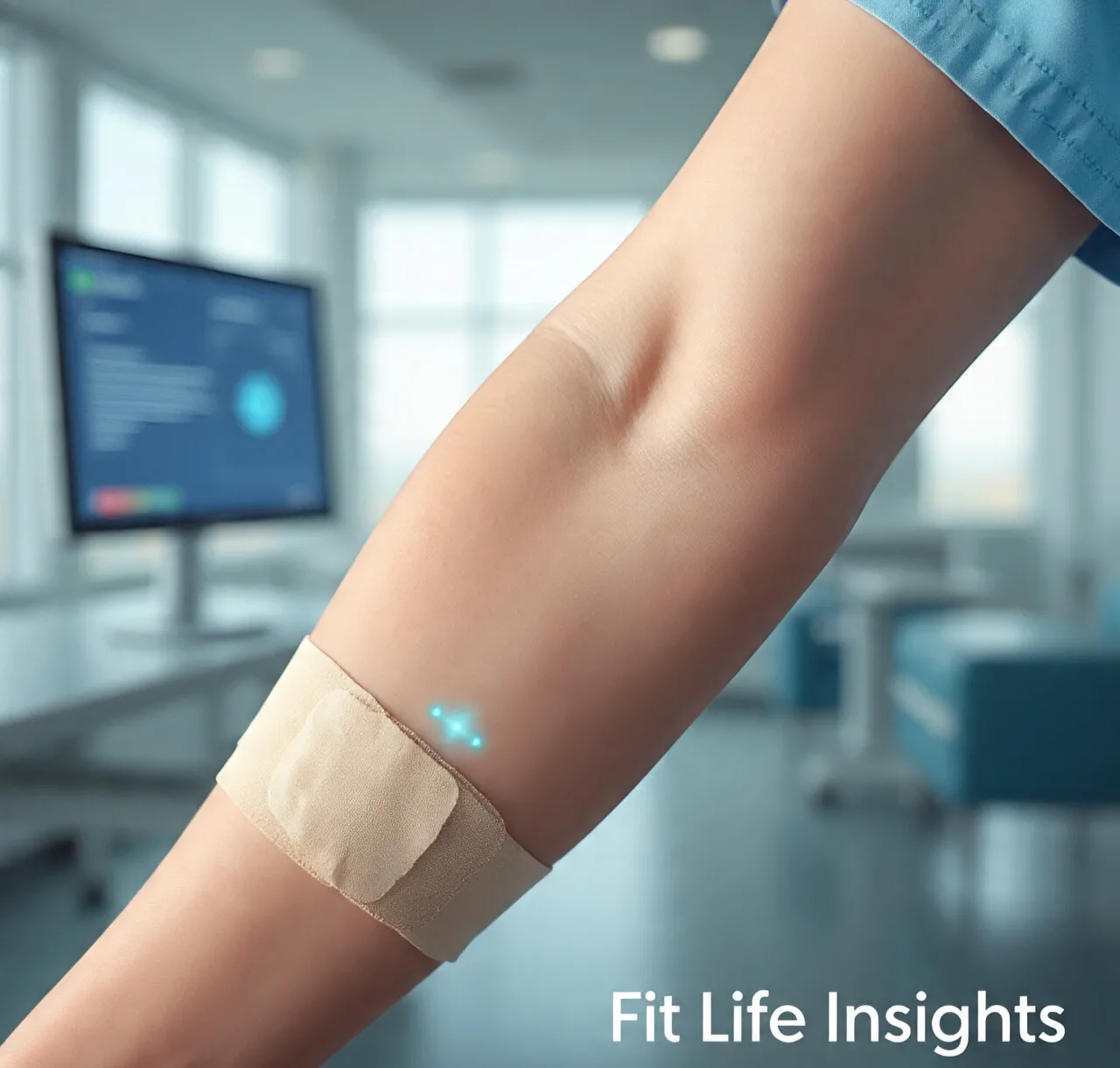
One of the most exciting developments in AI in Healthcare is the creation of a-Heal, an AI-driven smart bandage. Developed by researchers at UC Santa Cruz, a-Heal combines bioelectronics and artificial intelligence to accelerate wound healing by nearly 25%, as reported in recent studies. Unlike traditional dressings, this device actively participates in the recovery process by monitoring wounds in real-time and stimulating faster tissue repair.
The a-Heal device represents a game-changer for patients with chronic wounds, diabetic ulcers, or post-surgical injuries. By providing a dynamic and intelligent approach, it ensures that healing is not only quicker but also more efficient. Instead of a one-size-fits-all dressing, a-Heal adapts to each patient’s biological responses, making recovery personalized and significantly less prone to complications.
How AI-Driven Bandages Work
The a-Heal smart device is not just a bandage – it’s an intelligent healing system. Embedded with micro-sensors, a-Heal continuously measures crucial factors like wound moisture, pH levels, and tissue response. These metrics are then analysed by AI algorithms to optimize the healing environment in real time.
In addition to monitoring, a-Heal delivers controlled electrical stimulation therapy, which boosts cellular activity and tissue regeneration. This dual action – data-driven monitoring plus active stimulation – sets a-Heal apart from traditional bandages. Patients benefit from faster recovery, reduced infection risks, and care that adapts uniquely to their healing journey.
Beyond Wound Healing: Expanding Horizons
While the smart bandage a-Heal has captured global attention, the scope of AI in Healthcare extends much further. AI is making waves in:
- Diagnostics: Algorithms that detect early signs of diseases such as cancer or heart conditions from imaging scans.
- Robotic Surgery: Enhancing precision and reducing surgical errors.
- Mental Health Support: AI-powered chatbots and virtual therapists providing timely interventions.
- Predictive Medicine: Forecasting potential health risks based on genetics and lifestyle.
These applications demonstrate that AI is not confined to niche uses – it is becoming the backbone of modern medicine.
Benefits of AI in Healthcare
The adoption of AI brings numerous advantages that cannot be overlooked:
- Faster Healing and Recovery: Devices like smart bandages dramatically reduce healing time.
- Cost Efficiency: Early detection and faster recovery lower hospital expenses.
- Personalization: AI tailors treatments to individual needs, enhancing effectiveness.
- Improved Accuracy: Machine learning reduces human errors in diagnosis and treatment planning.
- Accessibility: Remote monitoring allows patients in underserved regions to access quality care.
By integrating AI solutions into mainstream healthcare, society benefits from a more resilient and adaptive medical system.
Ethical Considerations and Challenges
While the potential is undeniable, AI in Healthcare also raises important questions. Issues such as data privacy, algorithmic bias, and accessibility need careful attention. Who owns the patient data collected by smart bandages? How do we ensure AI does not unintentionally reinforce existing healthcare inequalities?
Furthermore, physicians must maintain their central role, ensuring that AI acts as a supportive tool rather than a replacement. Balancing innovation with ethical responsibility is the key to making AI sustainable in the healthcare ecosystem.
The Future of AI in Healthcare
The success of a-Heal offers a glimpse into the extraordinary potential of AI in Healthcare. While wound healing is its first target, similar AI-integrated bioelectronic devices could soon be used in other areas such as skin graft recovery, surgical incisions, or even internal tissue repair.
Imagine a future where hospitals equip patients with devices like a-Heal that automatically monitor healing, report progress to physicians remotely, and intervene intelligently when complications arise. This vision is not far-fetched – it is already beginning with innovations like a-Heal, paving the way for smarter, more responsive medicine.
Final Thoughts
AI in Healthcare is not a distant dream – it is already here, transforming lives in real-time. From smart bandages that accelerate wound healing to AI-powered diagnostics, this technology is creating a future where treatment is faster, smarter, and more compassionate. The journey is just beginning, but the impact is profound. With responsible integration, AI will continue to redefine healthcare, making it more patient-focused, efficient, and accessible.
Key Takeaways
- AI in Healthcare is revolutionizing patient care through intelligent, data-driven solutions.
- a-Heal, the AI-powered smart bandage, accelerates wound healing by 25%, demonstrating the power of bioelectronics in medicine.
- Benefits include faster recovery, cost savings, personalized treatments, and improved accessibility.
- Ethical considerations such as data privacy and fairness must be addressed.
- The future promises AI-driven breakthroughs in diagnostics, surgery, predictive medicine, and next-generation bioelectronic devices.
Disclaimer: This article is for educational purposes only. It explores advancements in AI in Healthcare and does not replace professional medical advice. Always consult a qualified healthcare provider for personal medical concerns.
Sources: