

Introduction
What if something as simple as brushing your teeth could help prevent a heart attack? Recent scientific studies suggest that the bacteria hiding in your mouth may play a more sinister role in cardiovascular health than previously imagined. Beyond cavities and gum disease, oral bacteria might silently trigger deadly heart problems.
Groundbreaking research now points to a startling possibility: some heart attacks may actually be linked to oral infections. This discovery challenges decades of conventional wisdom about cardiovascular disease and adds a new dimension to prevention. The idea that heart health could begin in the mouth has sparked both curiosity and concern. Could the microbes living on your gums and teeth be quietly increasing your chances of suffering a heart attack?
Read on to explore the surprising connection between hidden bacteria in the mouth and cardiovascular risk – an emerging health revelation that could change how we approach prevention and treatment.
The Mouth-Heart Connection: More Than Just Oral Hygiene
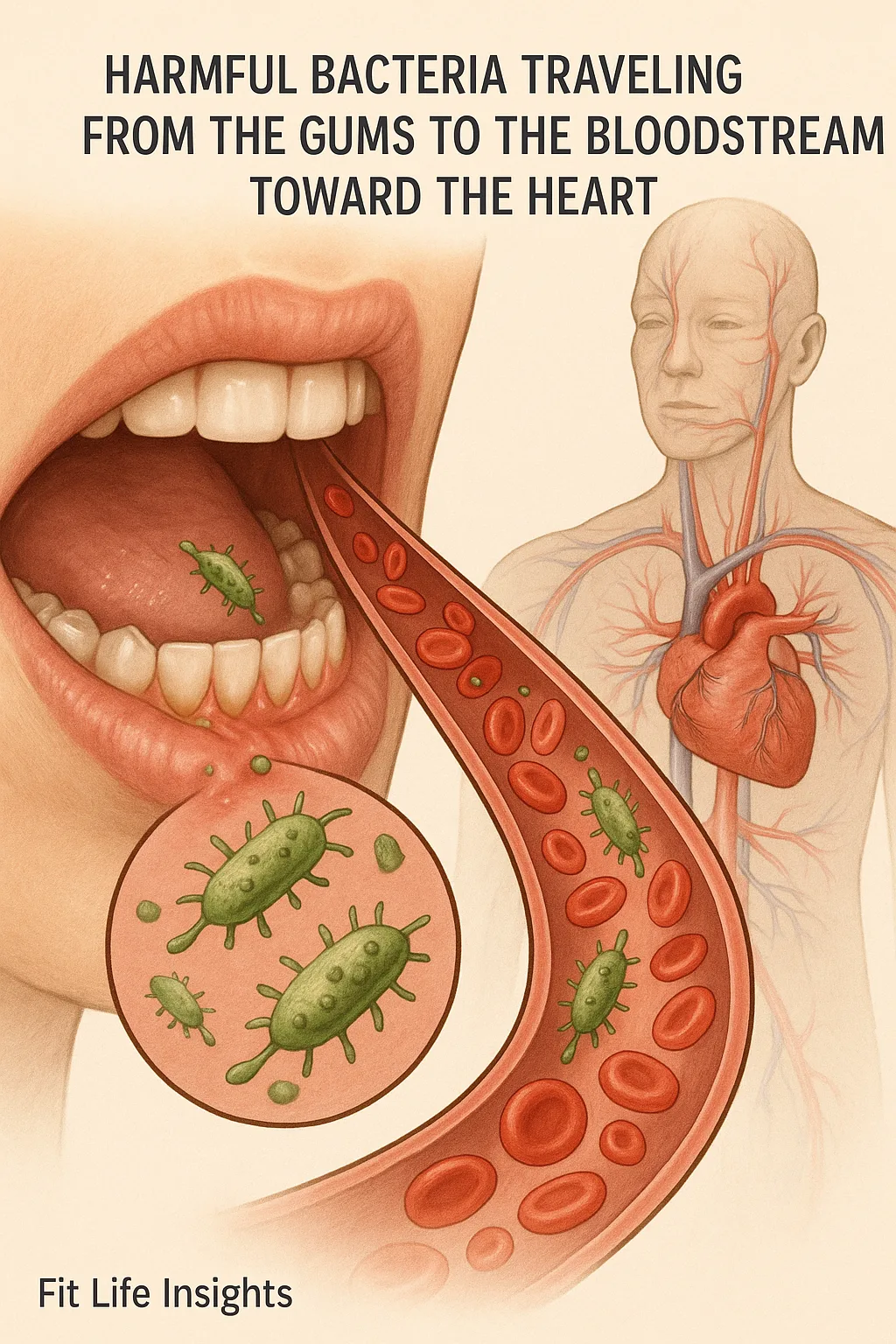
Our bodies are interconnected systems, where a disturbance in one area often affects another. Dentists and cardiologists have long suspected links between gum disease and cardiovascular problems. However, the latest studies suggest something more direct: bacteria from the mouth may enter the bloodstream and trigger heart attacks.
Oral bacteria like viridans streptococci – commonly found in dental plaque – are usually harmless in the mouth. But when these microbes cross into the bloodstream, they can cause inflammation in arteries, accelerate plaque buildup, and destabilize existing blockages. This increases the risk of clot formation, a leading cause of heart attacks.
The concept is entirely new. Periodontal disease has been linked to systemic inflammation before. Yet, the discovery that specific oral bacteria could play an infectious role in heart attacks gives the debate new urgency. Instead of being a secondary factor, these bacteria might be active culprits.
Scientific Findings: Could Heart Attacks Be Infectious?
A recent multicenter study revealed shocking evidence: DNA fragments of oral bacteria were found in the coronary arteries of heart attack patients. This indicates that bacterial migration is not just theoretical – it actually happens inside the human body.
Researchers suggest that once inside arteries, bacteria can destabilize fatty deposits, making them prone to rupture. When such ruptures occur, clots form quickly, blocking blood flow to the heart muscle. This chain reaction is what ultimately leads to a heart attack.
The findings are raising questions in the medical community: Could heart attacks, at least in part, be considered infectious diseases? While lifestyle factors like diet, smoking, and cholesterol remain critical, infection-driven triggers may explain why some seemingly healthy individuals suffer sudden heart attacks.
Why Oral Bacteria Pose a Hidden Danger
Most people associate oral hygiene with cosmetic concerns like white teeth and fresh breath. But hidden beneath the gum line, bacteria thrive in biofilms that are hard to eliminate completely. When gum tissue becomes inflamed or damaged, bacteria gain easier access to blood vessels.
The biggest problem? These bacteria don’t remain passive passengers. Once in the bloodstream, they can provoke immune responses, causing chronic inflammation in artery walls. Over time, this leads to:
- Faster progression of atherosclerosis (hardening of arteries)
- Increased risk of blood clot formation
- Sudden rupture of arterial plaques
This silent journey from the mouth to the heart illustrates why oral health should be considered part of cardiovascular care. Neglecting dental hygiene isn’t just a cosmetic issue – it could be life-threatening.
High-Risk Groups: Who Should Be Most Concerned?
While everyone should take oral health seriously, some groups face elevated risks of bacteria-induced heart attacks.
- People with gum disease (periodontitis) – Chronic inflammation makes bacterial entry easier.
- Individuals with weakened immunity – Diabetic and elderly patients are more vulnerable.
- Those with existing cardiovascular disease – Bacteria can worsen arterial blockages.
- Smokers – Tobacco weakens gum tissue, creating an open gateway for bacteria.
These groups should be especially vigilant about dental care and cardiovascular monitoring.
Prevention: Protecting Your Mouth to Protect Your Heart
Fortunately, reducing the risk of bacteria-induced heart attacks is possible with proactive steps. Small lifestyle changes can have powerful protective effects.
Essential Prevention Strategies:
- Brush and floss daily – Minimize bacterial buildup.
- Schedule regular dental check-ups – Catch gum disease early.
- Maintain a healthy diet – Avoid excessive sugar that fuels oral bacteria.
- Quit smoking – Protect both gum tissue and cardiovascular health.
- Monitor cardiovascular health – Especially if you have risk factors.
Adopting these practices doesn’t just reduce cavities – it may also lower your risk of a life-threatening heart attack.
Broader Implications of Medicine and Research
The revelation that hidden bacteria in the mouth could lead to heart attacks opens a new frontier in medical science. Cardiologists may soon collaborate more closely with dentists to create integrated treatment plans. Oral health might become part of routine cardiovascular risk assessment.
Future research could also pave the way for new therapies, such as targeted antibiotics, vaccines against harmful oral bacteria, or probiotics that balance the mouth’s microbiome. If heart attacks are partly infection-driven, then preventing or treating these microbial triggers could save countless lives.
Closing Thoughts
The emerging evidence that heart attacks may be linked to hidden oral bacteria is both alarming and enlightening. It underscores the need to view oral hygiene not as a cosmetic luxury but as a vital component of cardiovascular health.
Maintaining a healthy mouth could be as crucial as managing cholesterol or blood pressure when it comes to preventing heart attacks. As research deepens, one truth is clear: the next time you pick up your toothbrush, you may not just be protecting your smile – you might also be safeguarding your heart.
Key Takeaways:
- Hidden oral bacteria may directly trigger heart attacks
- Viridans streptococci and similar bacteria can migrate from gums to arteries.
- Infected arteries are prone to inflammation, plaque rupture, and clotting.
- High-risk groups include people with gum disease, smokers, and diabetics.
- Regular dental care is a powerful way to protect cardiovascular health.
Disclaimer: This content, including any advice provided, is for general informational purposes only and is not a substitute for professional medical advice, diagnosis, or treatment. Always seek the guidance of a qualified healthcare professional or your own doctor with any questions you may have regarding a medical condition.
Sources:
- Medical Dialogues – Medical Bulletin, Sept 2025
- Business Standard – Oral Bacteria & Heart Attack Risk
- NDTV – Infectious Triggers for Heart Attacks
- Times of India – Oral Bacteria Linked to Heart Attacks